

No products in the cart.



What’s the Best Sauna Heater for You? Electric vs Wood Burning
6 July,2026 •
Sauna Specialist
The heater is the heart of your sauna. It determines how quickly your sauna reaches temperature, how well it holds that heat, and ultimately how enjoyable every session is. Choose the right one and your sauna performs beautifully for years. Choose the wrong one and you end up with a room that never quite gets hot enough, a heater that runs constantly, and higher energy bills.
At Sauna Specialist, we carry two types of sauna heaters: electric sauna heaters and wood burning sauna stoves. In this guide, we break down how each one works, how to size your heater correctly, and one important thing every Canadian buyer should know before choosing a wood burning stove. You can also browse all of our sauna heaters.
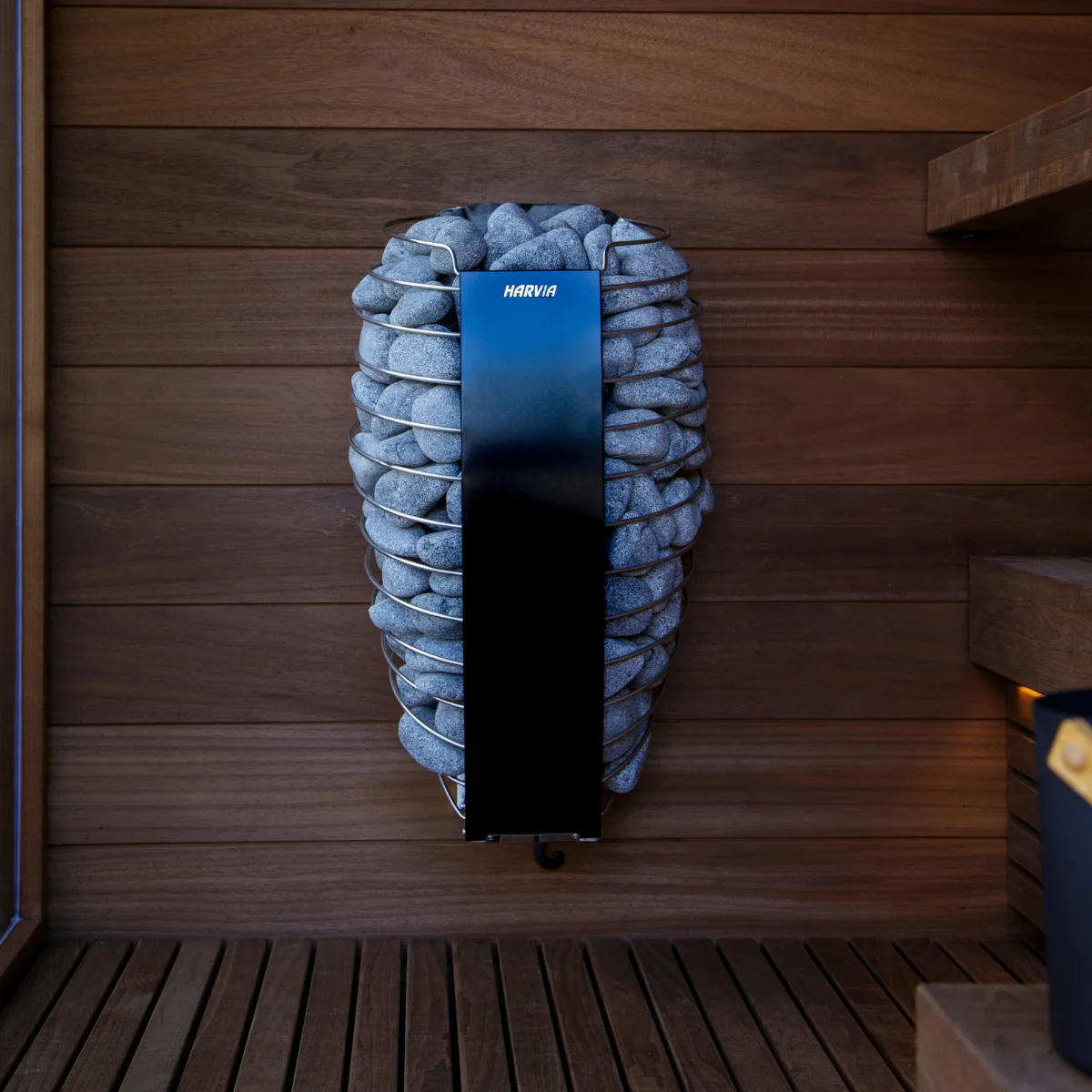
First Things First: Heater Size Matters More Than Brand
Before we compare electric and wood burning, let’s talk about the single most common mistake sauna buyers make: choosing a heater based on price or looks instead of the actual size and construction of their sauna.
The power of a sauna heater is measured in kilowatts (kW), and the right kW rating depends on the volume of your sauna room, not just its footprint. A general rule of thumb is roughly 1 kW per cubic metre of space, but that rule only holds for a fully insulated room with solid wood walls.
Windows and glass change everything
Glass is beautiful in a sauna. A glass door or a window with a view can completely transform the experience. But glass is also a poor insulator, and every square foot of it leaks heat out of the room. In practical terms, a sauna with a full glass front needs a noticeably more powerful heater than the same size sauna with solid cedar walls.
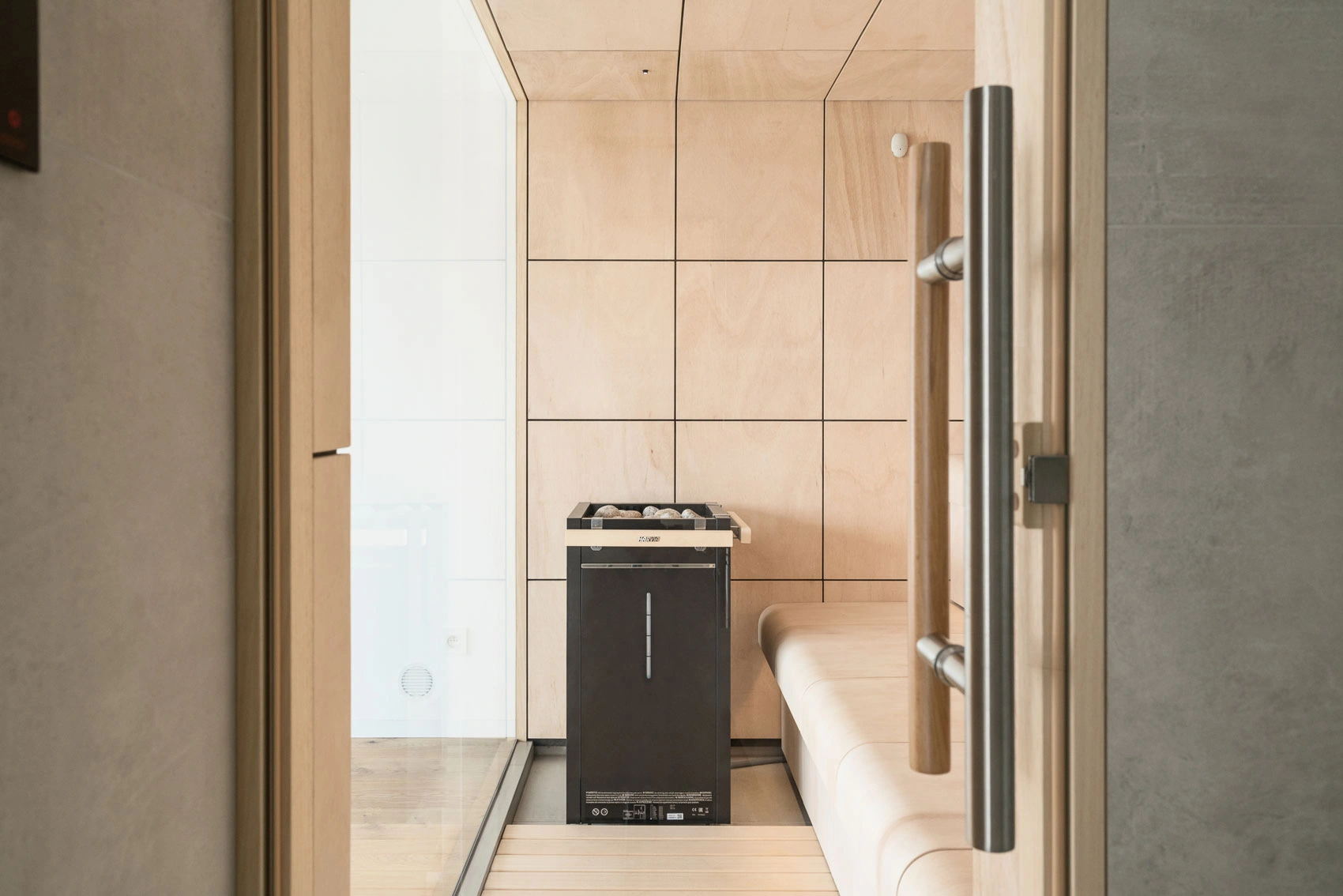
Here is what happens when the heater is undersized for the room:
- The sauna never reaches the right temperature. You wait an hour and the room still sits below where a proper sauna should be.
- The heater runs non-stop. Because the glass keeps bleeding heat out of the room, the heater cycles constantly just to hold temperature. That means more wear on the elements and a shorter lifespan for your heater.
- Weak steam response. When you throw water on the stones, an overworked heater struggles to recover, so the löyly feels flat instead of enveloping.
An oversized heater has its own problems too: it can overheat the room quickly while the stones stay relatively cool, which produces harsh, dry heat instead of the soft heat a properly matched heater delivers.
Not sure what size heater you need? Let our sauna calculator do the math.
Our calculator does more than compute your sauna’s volume. It also accounts for the potential heat loss from windows and glass walls, and factors that into its recommendation. Enter your dimensions, tell it about your glass surfaces, and it will suggest the right heater for your exact sauna.
Try the Sauna Heater CalculatorElectric Sauna Heaters: Press Start and Relax
Electric heaters are the most popular choice for indoor home saunas in Canada, and for good reason. They are clean, precise, and incredibly easy to live with.
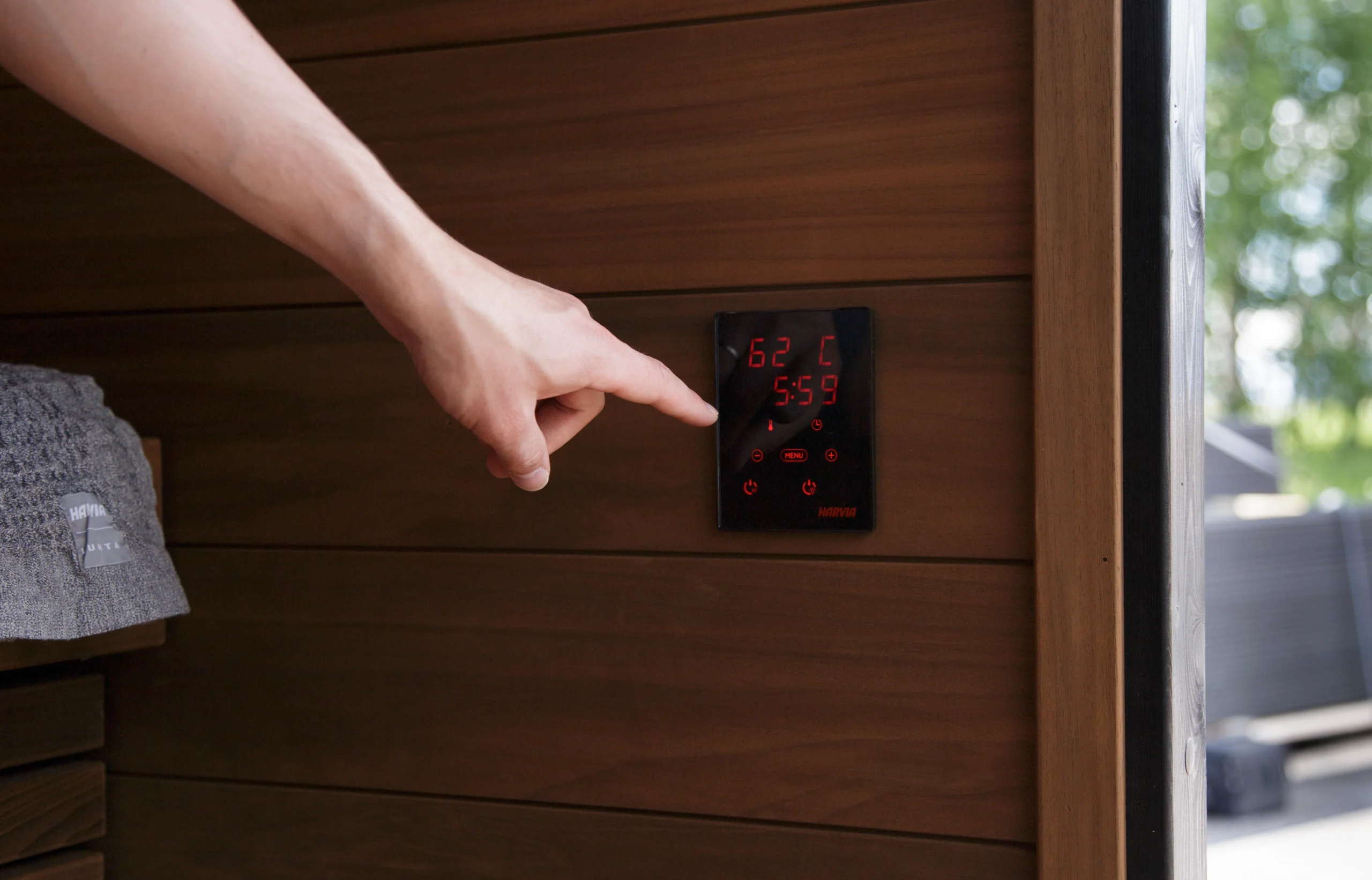
Start your sauna from your phone
Modern electric heaters can be controlled from a smartphone app. You can start your sauna from the office, from the rink, or from the highway on your drive home, and walk into a perfectly heated sauna the moment you arrive. You can also set the exact temperature you want and the heater will hold it for you, session after session.
Zero maintenance
There is no wood to chop, no ash to clean, no chimney to sweep. You press start and that’s it. For busy households, or for anyone who wants their sauna time to begin the moment they step inside, electric is hard to beat.
Electric heaters are also the simplest to install indoors. They require a dedicated electrical circuit installed by a licensed electrician, but no chimney and no clearances for a firebox.
Electric is the right choice if you value: convenience, remote control, precise temperature, easy indoor installation, and a completely maintenance-free routine. Browse our full range of electric sauna heaters for sale in Canada to find the right kW for your room.
Wood Burning Sauna Heaters: The True Traditional Finnish Experience
For many sauna purists, nothing compares to wood. This is how saunas were heated in Finland for hundreds of years, and the experience is genuinely different.
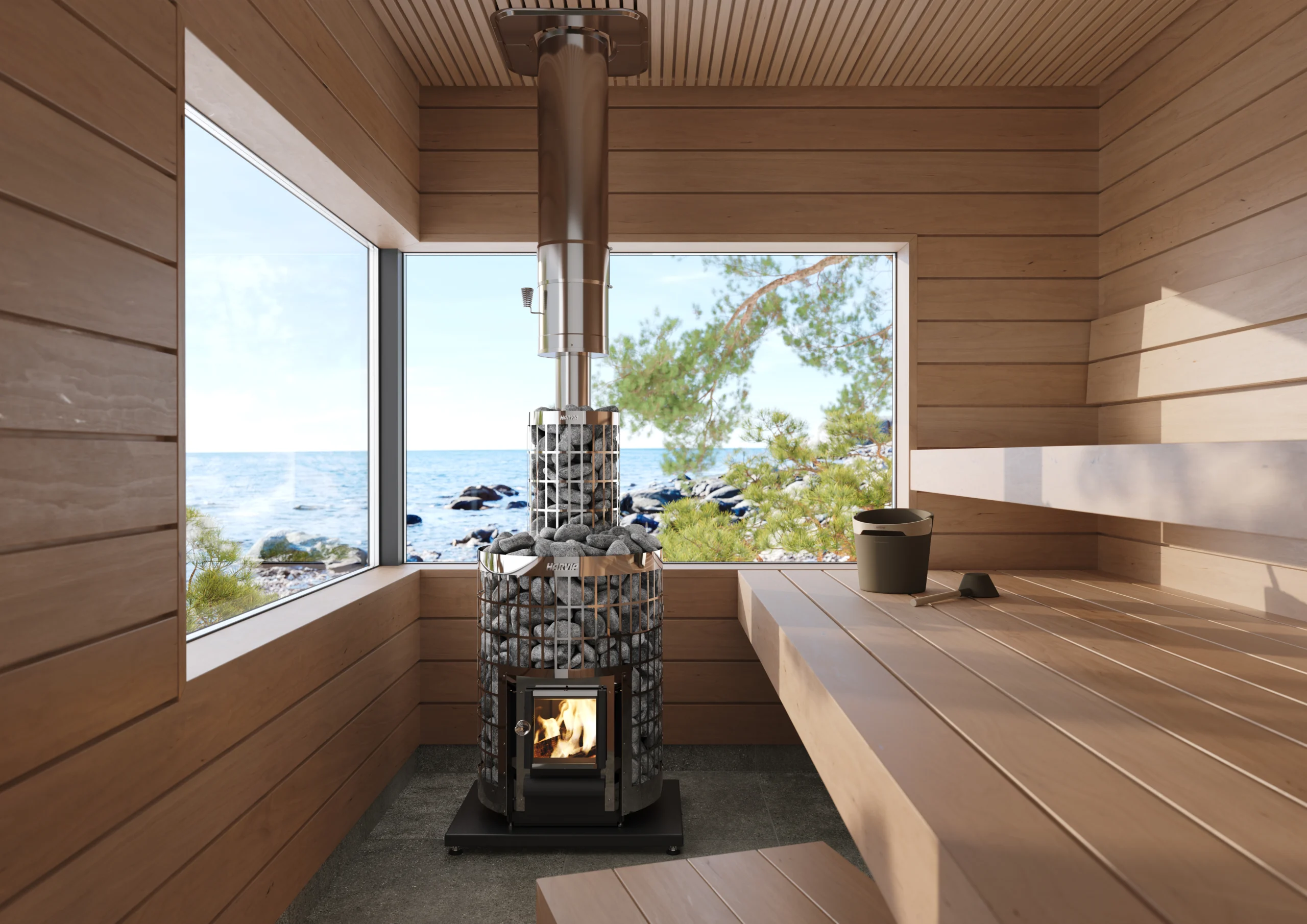
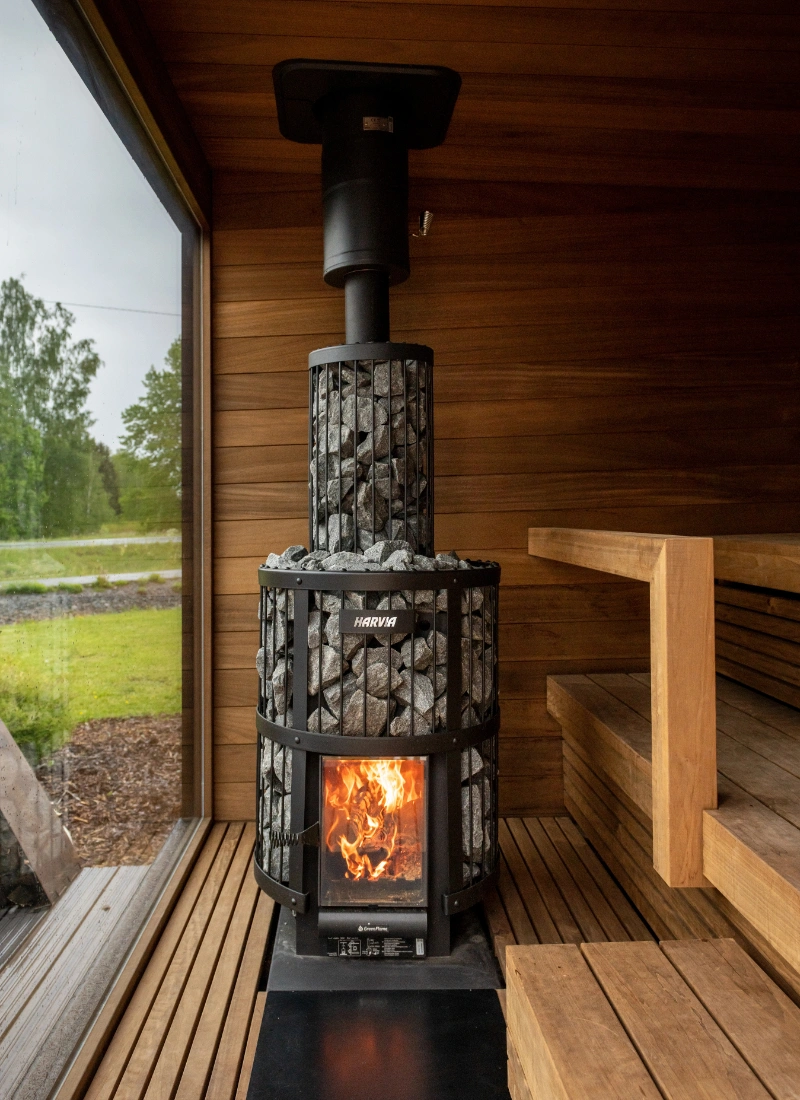
There is the ritual of it: splitting the wood, building the fire, tending it while the room slowly comes up to temperature. There is the sound of the fire crackling behind the stove door, the subtle scent of woodsmoke in the air, and a soft, living heat that many bathers swear feels different from anything electric. A wood fired sauna connects you to nature and to the old way of doing things. It asks a little more of you, and that is exactly the point.
Wood burning stoves are also independent of your electrical panel, which makes them the natural choice for off-grid cabins, lakeside saunas, and backyard sauna buildings where running a heavy electrical circuit is impractical.
Wood burning is the right choice if you value: the authentic traditional Finnish experience, the ritual of fire, the scent and sound of real wood heat, and independence from electricity. Explore our selection of wood burning sauna stoves.
Important for Canadian Buyers: Certification and Insurance on Wood Burning Stoves
Please read this before purchasing a wood burning sauna stove in Canada.
Harvia wood burning stoves carry European safety markings such as the CE mark. They are not certified to the North American standards (such as ETL or ULC) that Canadian building codes and insurance companies recognize for indoor or attached structures.
This matters. If you install an uncertified stove in your home or in a structure attached to your home and a fire occurs, your insurance company can use the lack of recognized certification to deny your claim or void your policy entirely. Insurers look for reasons not to pay, and an uncertified heat appliance is exactly the kind of reason they look for.
We believe in being upfront about this. Installing a European-certified wood stove in Canada is a risk the customer takes on, and it is a decision you should make with full information. Before purchasing, we strongly recommend you speak with your insurance provider and your local building inspector about your specific installation. Many of our customers choose wood burning stoves for detached outdoor saunas, cabins, and off-grid properties where the considerations are different, but you should always confirm what applies to your situation.
Electric heaters do not carry this concern. The electric models we sell hold the certifications required for Canadian installation, and a licensed electrician handles the hookup to code.
Electric vs Wood Burning at a Glance
| Electric | Wood Burning | |
|---|---|---|
| Experience | Clean, precise, consistent heat | Traditional Finnish fire heat, scent and sound of real wood |
| Convenience | Start from your phone, even away from home | Fire must be built and tended for each session |
| Maintenance | None. Press start and that’s it | Wood supply, ash removal, chimney cleaning |
| Installation | Dedicated circuit by a licensed electrician | Chimney, clearances, best suited to detached structures |
| Canadian certification | Certified for Canadian installation | CE marked only, not ETL or ULC certified. Insurance risk for indoor or attached installations |
| Best for | Indoor home saunas, busy lifestyles | Outdoor saunas, cabins, off-grid, traditionalists |
Want to see every model side by side? Browse our complete collection of sauna heaters for sale in Canada, covering both electric and wood burning options.
So, What’s the Best Sauna Heater for You?
It comes down to two questions.
1. What does your sauna need? Your room’s volume, insulation, and glass surfaces determine the kW rating your heater must have. Get this right first, because no heater performs well when it is the wrong size for the room. Use our sauna calculator to get a recommendation matched to your exact sauna, glass included.
2. What experience do you want? If you want to press a button on your phone and step into a hot sauna with zero effort, choose an electric sauna heater. If you want the fire, the ritual, and the authentic old-world Finnish experience, and your installation makes sense for it, a wood burning stove delivers something an element never will.
Still not sure? Talk to our team. We help Canadians choose and size sauna heaters every day, and we will give you a straight answer for your specific sauna.
Frequently Asked Questions
What size sauna heater do I need?
As a starting point, plan for roughly 1 kW of heater power per cubic metre of sauna volume. However, windows and glass lose significant heat, so a sauna with a glass door or glass walls needs a more powerful heater than the volume alone suggests. Our sauna calculator factors in your glass surfaces and recommends the right heater for your room.
What happens if my sauna heater is too small?
An undersized heater struggles to reach proper sauna temperature and runs continuously trying to hold heat, especially in rooms with windows or glass. This means long heat-up times, weak steam, higher energy use, and premature wear on the heater.
Are electric sauna heaters easier to use than wood burning?
Yes. Electric heaters require no maintenance at all. You press start and the heater does the rest. Many models can even be started remotely from your phone, so your sauna is ready the moment you get home. Wood burning stoves require building and tending a fire, plus ash removal and chimney maintenance.
Are Harvia wood burning stoves certified for use in Canada?
Harvia wood burning stoves carry European certifications such as the CE mark, which Canadian building codes and insurance companies do not recognize for indoor or attached structures. Installing one is a risk the buyer assumes: in the event of a fire, an insurer may use the lack of ETL or ULC certification to deny a claim or void a policy. Always consult your insurance provider and local building inspector before installing a wood burning stove.
Which is better for an outdoor or off-grid sauna?
Wood burning stoves are the natural fit for outdoor saunas, cabins, and off-grid properties because they do not require an electrical connection, and detached structures involve different insurance and code considerations than your home. Confirm the details for your property with your insurer and local authorities.